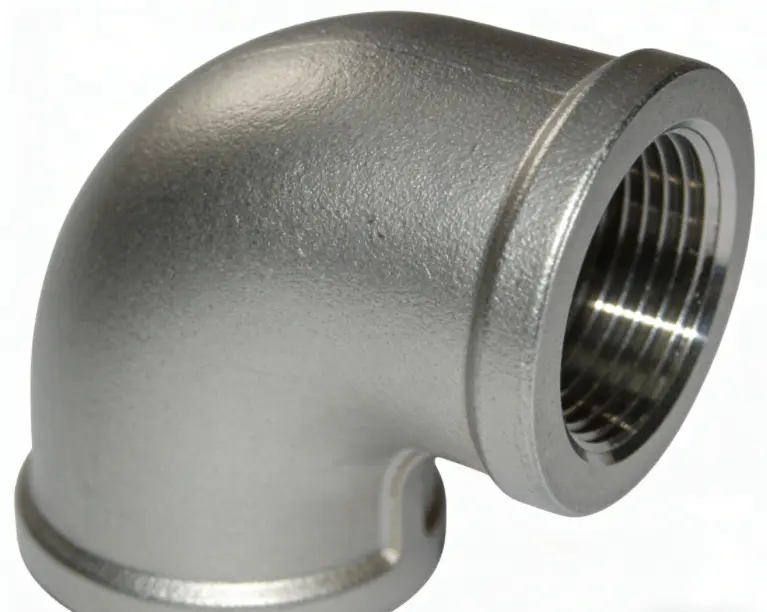
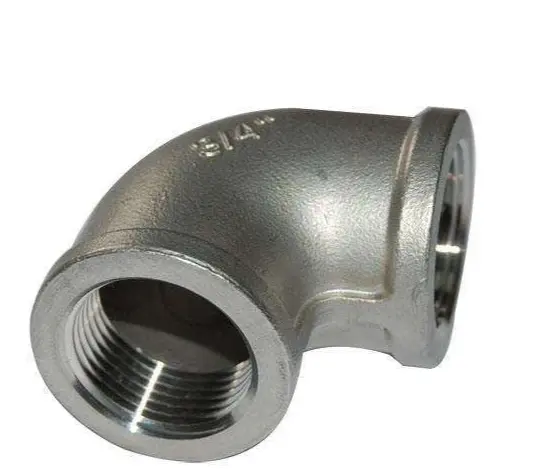
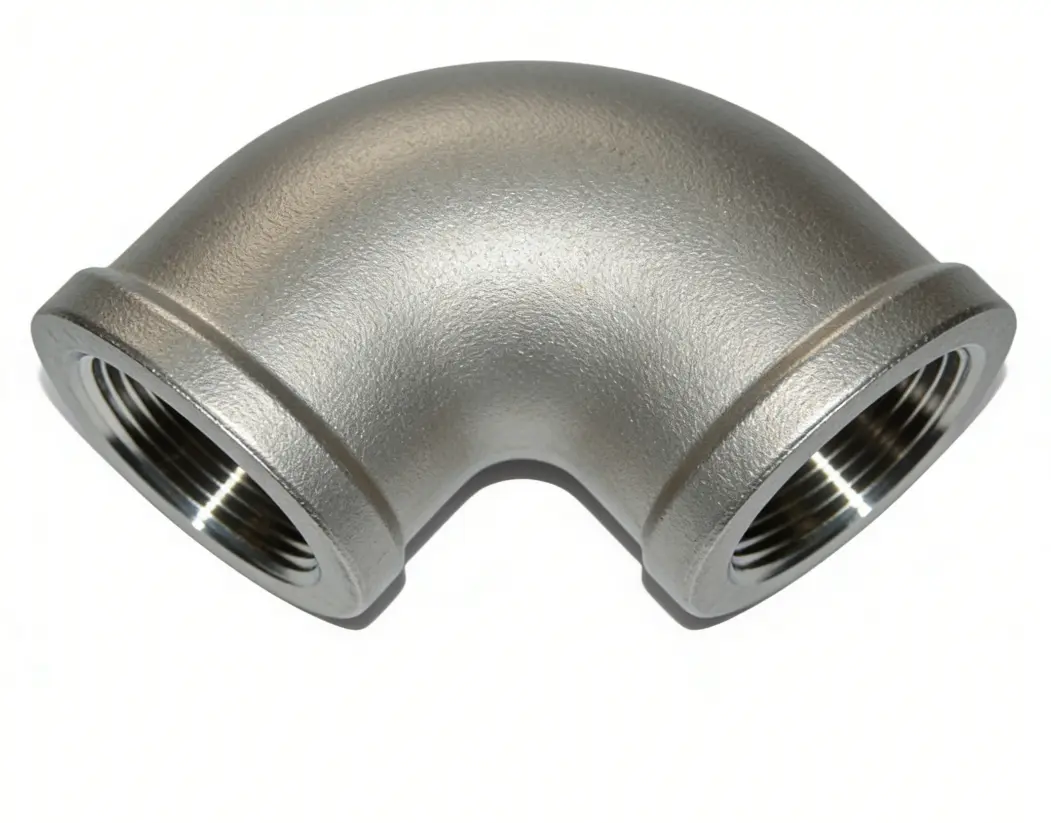
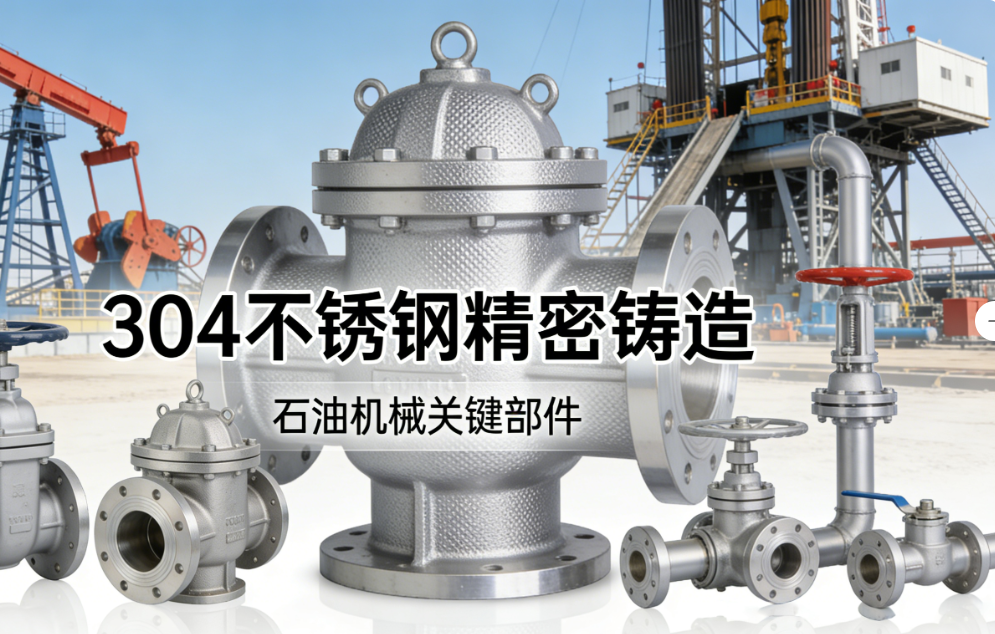
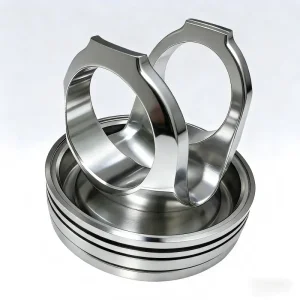
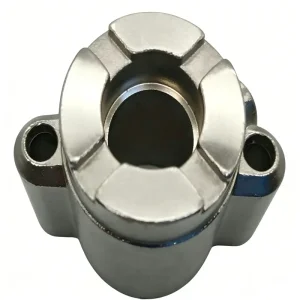
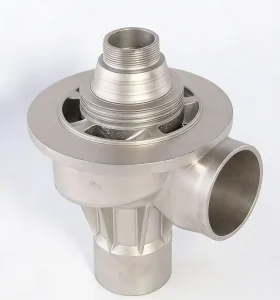
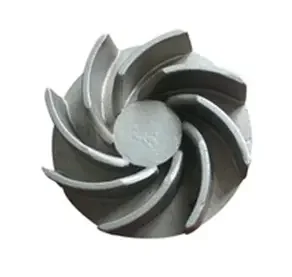
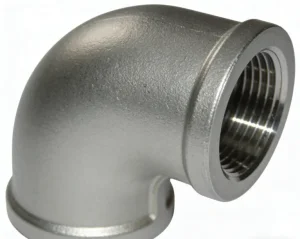
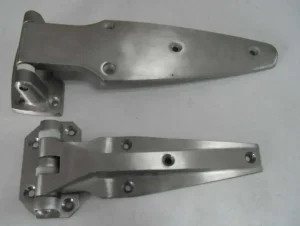
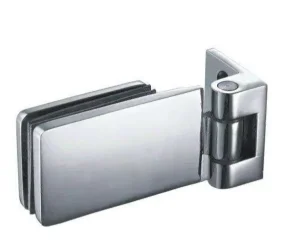
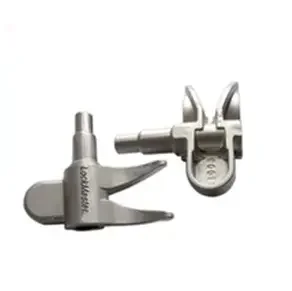
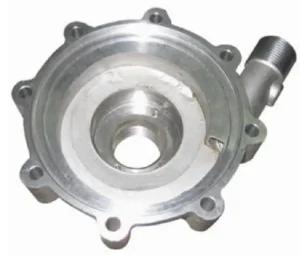
This 304 stainless steel precision casting is manufactured via lost wax casting, enabling one-piece forming of complex geometries and high-precision dimensional control. It is widely used in oil, machinery, food, marine, and other industries demanding high reliability and corrosion resistance.
🛡️ Material Performance
Made of 304 stainless steel, offering excellent acid-alkali corrosion resistance and high-temperature durability.
📏 High Precision
Critical tolerances controlled within ±0.05mm, meeting strict assembly requirements without extensive post-processing.
Made of 304 stainless steel, the component offers excellent acid-alkali corrosion resistance, high temperature resistance, and mechanical properties, ensuring stable performance in extreme environments from -196°C to 800°C and effectively resisting oxidation and medium erosion to extend equipment service life. The precision casting process delivers a smooth surface and dense internal structure.
Customizable in shape, specification, and surface finish (sandblasting, polishing, pickling, etc.), the monolithic structure eliminates stress concentration and leakage risks from traditional assembly, making it ideal for core components such as valve fittings, transmission brackets, and petroleum equipment protectors. With stable quality and efficient production, it serves as an ideal solution for corrosion-resistant, high-strength precision parts in industrial applications.
Frequently Asked Questions
1. What are the key advantages of using 304 stainless steel for precision casting?
304 stainless steel provides a perfect balance of corrosion resistance, mechanical strength, and cost-effectiveness. It is resistant to oxidation and performs reliably in diverse industrial environments.
2. What is the temperature range this casting can withstand?
The component is designed to maintain stable performance in extreme temperature conditions, ranging from as low as -196°C to as high as 800°C.
3. How accurate is the dimensional control for these parts?
Through the lost wax casting process, we achieve high-precision results with critical tolerances controlled within ±0.05mm, ensuring a perfect fit for complex assemblies.
4. Which industries commonly use these precision castings?
These parts are extensively used in petroleum, machinery, food processing, and marine industries, especially for components like valve fittings and transmission brackets.
5. Are there different surface finish options available?
Yes, we offer various surface treatments to meet specific application needs, including sandblasting, polishing, and pickling.
6. Why is a monolithic structure better than traditional assembly?
A monolithic (one-piece) structure eliminates joints, which reduces stress concentration points and the risk of leakage, leading to a more durable and reliable component.
 Junlong