In today's fast-paced industrial landscape, selecting the right hydraulic parts is crucial for success. Globally, businesses are under pressure to enhance productivity while minimizing operational costs. Hydraulic parts play a vital role in numerous applications, from construction machinery to manufacturing equipment. Their reliability and efficiency directly impact project outcomes.
However, not all hydraulic parts are created equal. Buyers often face challenges in identifying the best quality products. With so many options available, how can companies ensure they make informed decisions? Understanding the specific needs of your project and the quality standards of hydraulic parts is essential. This involves thorough research and an evaluation of suppliers.
Many buyers might overlook important factors. Inadequate knowledge can lead to choosing the wrong components. This can result in costly downtime and repairs. Therefore, it’s imperative to assess the experience and credentials of potential suppliers. Evaluating their expertise can provide insights into the reliability of their hydraulic parts. This diligence not only ensures better performance but also builds long-term trust between buyers and suppliers.
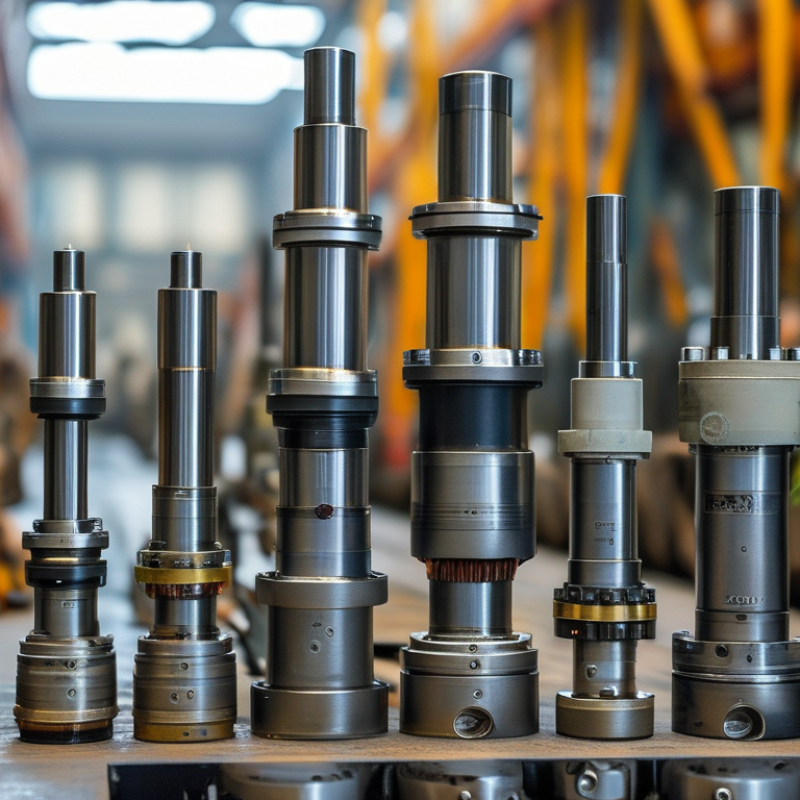
The global hydraulic parts market is experiencing significant growth, influenced by various industrial demands. According to a report by MarketsandMarkets, the hydraulic equipment market is projected to reach USD 56 billion by 2026, with a compound annual growth rate (CAGR) of 5.6%. This surge underscores the importance of understanding market trends and choosing the right hydraulic components.
When selecting hydraulic parts, consider the specifications crucial for your application. Factors like material durability, temperature tolerance, and compatibility with existing systems matter. Incorporating advanced technology in hydraulic design can enhance performance. For instance, improvements in hydraulic fluid formulations can lead to better efficiency and less wear on components.
Tips: Always evaluate suppliers' reliability. Look for performance reviews and customer feedback. It's wise to consult industry reports to verify claims.
Industrial sectors like construction and agriculture are key drivers in this market. However, the volatility of raw material prices can affect component availability and pricing strategies. Understanding these dynamics is essential for making informed purchasing decisions.
Tips: Stay updated on material trends. Network with industry experts to share insights. This could enhance your procurement strategy significantly.
When selecting hydraulic parts, key features play a vital role. Reliability is essential. A recent industry report highlights that 30% of operational failures are attributed to subpar hydraulic components. Buyers must prioritize high-quality materials. Steel and aluminum are commonly preferred due to their durability.
Compatibility is another crucial aspect. Parts should seamlessly integrate with existing systems. A 2022 survey shows that 25% of users face issues due to mismatched components. This can lead to costly downtimes and repairs. Consequently, consulting with experts on specifications can make a significant difference.
Additionally, maintenance is an often-overlooked factor. Regular servicing can extend the lifespan of hydraulic parts. It is estimated that proper maintenance can improve efficiency by up to 40%. Understanding the environment in which components will operate is also essential. Different operating conditions require different specifications and designs. Reflect on your needs and seek advice when in doubt.
Hydraulic components play a vital role in various industries, from construction to manufacturing. Global buyers should be aware of the leading manufacturers that provide quality hydraulic parts. High-quality hydraulic components enhance efficiency and safety in operations. They often lead to better performance of machines, reducing downtime significantly.
When selecting suppliers, consider their track record. Research their experience in the market. Look for companies with proven reliability. Evaluating customer reviews can provide insights into the quality of their products. A manufacturer with certifications demonstrates adherence to industry standards. This can be a key indicator of their reliability and authority in the field.
Tip: Always ask for product guarantees. This ensures that you receive parts that meet your expectations.
The world of hydraulic components can be complex. It’s easy to overlook critical aspects when choosing suppliers. Take your time and reflect on your needs before making decisions. Investing in high-quality components can save costs in the long run.
Tip: Regular maintenance of hydraulic systems can prevent costly repairs and ensure longevity.
As the hydraulic industry evolves, emerging trends shape the way buyers approach their needs. Innovations in design and technology allow for lighter and more efficient hydraulic parts. This shift leads to improved performance and reduced energy consumption, making products more appealing to global buyers. Enhanced digital monitoring systems also aid in predictive maintenance, a key factor in reducing downtime and extending equipment lifespan.
Sustainability remains at the forefront of hydraulic technology. More manufacturers are focusing on eco-friendly materials and processes. This change is not just a trend; it’s vital for long-term success. However, buyers must remain critical of claims regarding sustainability. Scrutinizing product specifications is essential to ensure the performance meets their expectations.
The integration of artificial intelligence into hydraulic systems introduces new possibilities. Smart hydraulics can adapt to changing conditions, enhancing efficiency. Yet, this complexity can also lead to challenges in training and implementation. Buyers must weigh these benefits against potential difficulties. Continuous learning and technical support are crucial for navigating this landscape effectively.
Sourcing quality hydraulic parts globally can be challenging. Buyers must focus on various factors to ensure reliability. Start by identifying reputable suppliers. Research is crucial in assessing their experience and track record. Utilize online platforms and industry networks for insights. Engage with professionals who have firsthand experience with specific components.
Quality control should be a priority during the sourcing process. Look for suppliers who provide detailed product specifications. Compare materials and manufacturing processes. Ensure that parts meet international standards for safety and efficiency. Don’t overlook the importance of certifications. They can indicate a supplier's commitment to quality.
Verify the supplier's ability to deliver consistently. Delays can impact your operations significantly. Engage in open discussions about lead times and shipping logistics. Gather feedback from existing customers to gauge satisfaction levels. Reflection on past sourcing experiences can also provide valuable lessons for improvement.
| Part Type | Material | Country of Origin | Quality Standard | Typical Price Range (USD) |
|---|---|---|---|---|
| Hydraulic Pumps | Aluminum Alloy | Germany | ISO 9001 | $300 - $800 |
| Cylinder Assemblies | Carbon Steel | USA | ASME | $200 - $500 |
| Hydraulic Hoses | Rubber | China | SAE | $10 - $50 |
| Valves | Brass | Italy | DIN | $50 - $150 |
| Filters | Synthetic Fiber | Japan | JIS | $20 - $100 |
: Hydraulic components are crucial in industries like construction and manufacturing. They enhance efficiency and safety.
Research their experience and track record. Look for customer reviews and industry certifications to gauge reliability.
Product guarantees ensure that the parts meet your expectations. This is essential for maintaining operational standards.
Focus on quality control and detailed product specifications. Ensure suppliers meet international safety standards.
Discuss lead times openly and check customer feedback. Delays can significantly impact your operations.
Regular maintenance of hydraulic systems is key to preventing expensive repairs. It also extends system longevity.
Certifications indicate a supplier's commitment to quality. They are a crucial factor in making informed sourcing decisions.
Finding reputable suppliers and managing quality control can be challenging. It requires thorough research and reflection.
In the global market for hydraulic parts, buyers must navigate a complex landscape that encompasses various key features essential for making informed selections. Understanding the technical specifications and performance requirements of these components is crucial. The article outlines the importance of evaluating leading manufacturers and highlights emerging trends in hydraulic technology, which can significantly impact purchase decisions.
For those sourcing quality hydraulic parts, practical tips are provided to streamline the procurement process. By focusing on reliable suppliers and staying updated with the latest advancements, buyers can ensure they are getting the best products that meet their operational needs. Overall, the article serves as a comprehensive guide for global buyers seeking to enhance their knowledge and optimize their purchases of hydraulic parts.

Junlong