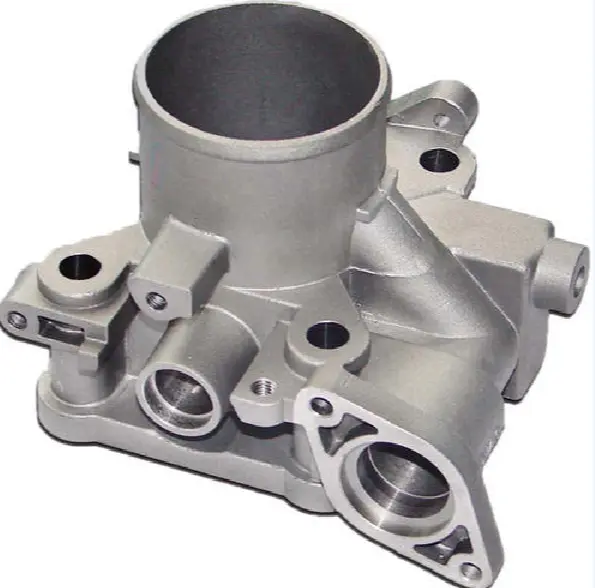
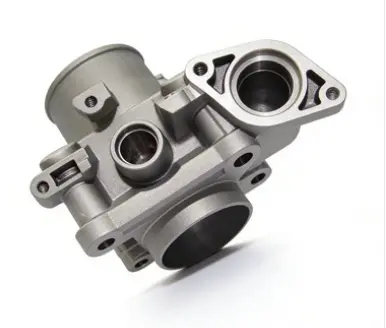
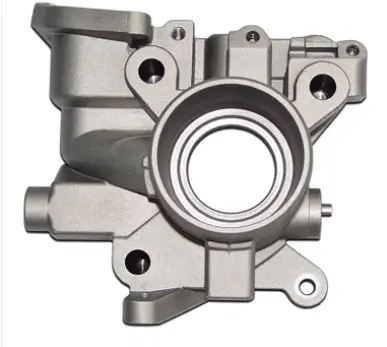
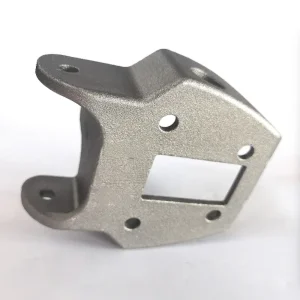
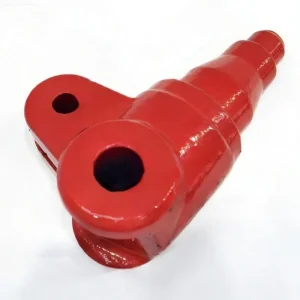
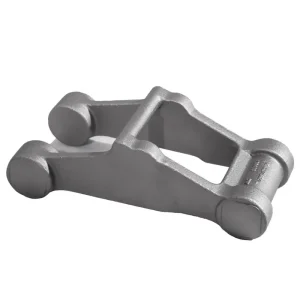
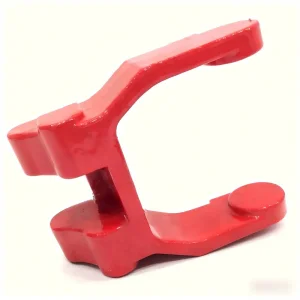
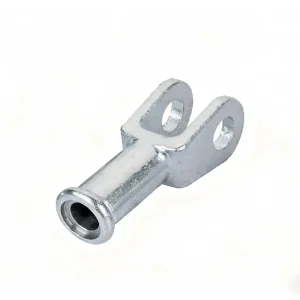
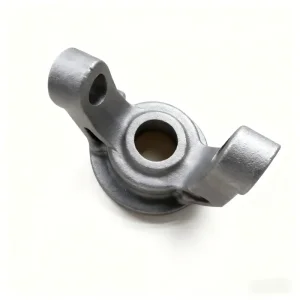
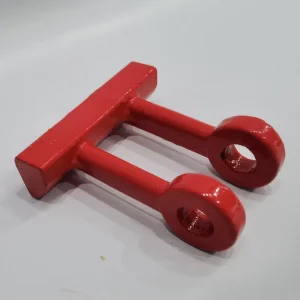
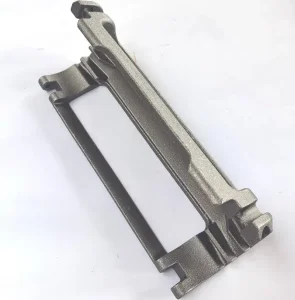
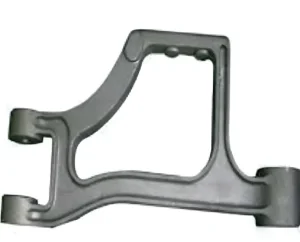
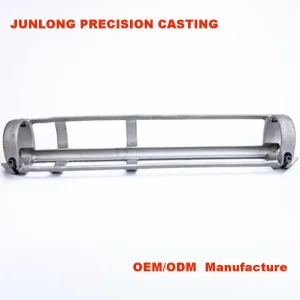
This carbon steel precision casting is specially developed for automotive manufacturing, adopting advanced lost wax casting technology to ensure high dimensional accuracy and smooth surface finish. Made of high-quality carbon steel material, it features excellent mechanical strength, good toughness, wear resistance and fatigue resistance, which can fully meet the long-term stable operation requirements of auto parts under complex working conditions.
With precise structural design and strict production control, the casting achieves tight dimensional tolerance and consistent performance, effectively reducing subsequent machining workload and assembly difficulty. It is widely used in key automotive components such as engine parts, chassis accessories, transmission parts, brake system components and other structural parts.
The whole production process complies with international automotive industry standards, from raw material inspection, smelting, molding to heat treatment and finished product testing, every procedure is strictly monitored to guarantee stable quality, high reliability and long service life. Supporting customized development according to customer drawings and technical parameters, we provide batch stable supply for automobile OEMs and auto parts enterprises.
Frequently Asked Questions
1. What are the advantages of using lost wax casting for auto parts?
Lost wax casting (investment casting) provides exceptional dimensional accuracy and a superior surface finish. This reduces the need for secondary machining and allows for the creation of complex geometries that are difficult to achieve with other methods.
2. Why is carbon steel preferred for these automotive components?
Carbon steel offers a perfect balance of strength, durability, and cost-effectiveness. It provides high tensile strength and excellent wear resistance, making it ideal for high-stress components like engine and chassis parts.
3. Can you manufacture parts based on custom technical drawings?
Yes, we support customized development. We can produce precision castings according to specific customer drawings, material specifications, and technical parameters to meet unique automotive design requirements.
4. What quality control measures are in place during production?
The entire process follows international automotive standards. This includes rigorous raw material testing, monitoring of the smelting and molding phases, and comprehensive final inspections including heat treatment verification and dimensional checks.
5. Are these castings suitable for critical safety systems like brakes?
Absolutely. Our carbon steel castings are engineered for high fatigue resistance and reliability, making them suitable for critical applications such as brake system components, transmission parts, and structural chassis accessories.
6. How does this casting process help in reducing assembly costs?
By achieving tight dimensional tolerances and consistent performance, our castings minimize assembly difficulty and reduce the amount of corrective machining required, leading to overall lower production and assembly costs for OEMs.
 Junlong